

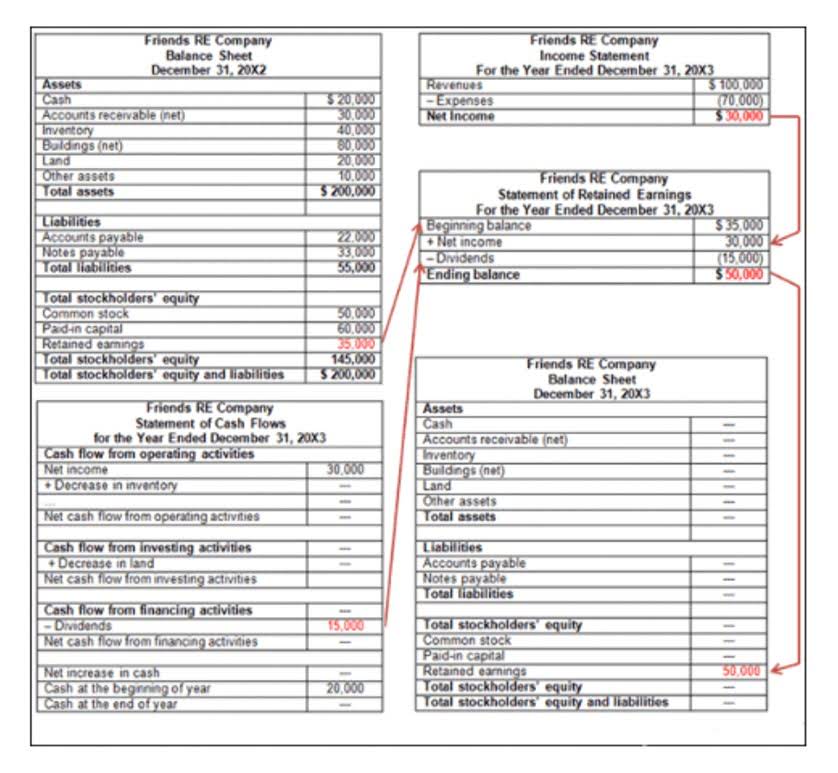
We mentioned earlier that COGS is quite important in determining net profit of a company since higher COGS means lower margins and lower COGS means higher margins. COGS is highly intertwined with inventories shown on the balance sheet under current assets. This is because inventories is what a company is trying to sell to its customers so naturally inventory will be a big part of the formula. Use SaasAnt Transactions to upload accounting data directly into QuickBooks and Xero. This helps you reduce data entry errors and maintain accurate inventory records. You can also automate data uploading through email, FTP/SFTP, or Zapier.

Perpetual LIFO

Since COGS is calculated by adjusting inventory levels, the ending inventory on the balance sheet must align with the COGS reported on the income statement. This interconnection ensures that the cost of inventory reported is reflective of the actual economic resources that are tied up in inventory. Moreover, the cash flow statement is affected by COGS, as changes in inventory levels can influence a company’s cash outflows and inflows. A company purchasing large amounts of inventory may report higher COGS and experience significant cash outflows, which is reflected in the cash flow from operating activities. The WAC method calculates an average cost per unit by dividing the total cost of inventory by the total units available.

What Is the Difference Between Cost of Sales and Cost of Goods Sold?
- However, the costs of the goods in inventory do not have to flow the way the goods flowed.
- Compile financial data from your parent company and all subsidiaries into a worksheet.
- This means the bookstore can sell the oldest copy of its three copies from inventory but remove the cost of its most recently purchased copy.
- COGS plays a critical role in determining gross profit margins since it directly impacts revenue earned from sales.
- When inventory is artificially inflated, COGS will be under-reported which, in turn, will lead to a higher-than-actual gross profit margin, and hence, an inflated net income.
- Use SaasAnt Transactions to upload accounting data directly into QuickBooks and Xero.
- Including COGS helps businesses comply with accounting regulations such as GAAP (Generally Accepted Accounting Principles).
On 31 January 202X, the balance should be the balance of inventory $ 5,000 (1,000 units x $5 per unit). Company ABC purchases inventory 1,000 units at $5 per unit on 01 Jan 202X. At the end of January 202X, all inventory remains the same, there is no sale made during the month. Levon Kokhlikyan is a Finance Manager and accountant with 18 years of experience in managerial accounting and consolidations. He has a proven track record of success in cost accounting, analyzing financial data, and implementing effective processes.
How to calculate cost of goods sold from income statement
- In past periods of inflation, many U.S. companies switched from FIFO to LIFO.
- Therefore, you should always consult with accounting and tax professionals for assistance with your specific circumstances.
- This key financial metric is vital for investors, managers, and creditors as it directly impacts the profitability of a company.
- At the end of the year, the products that were not sold are subtracted from the sum of beginning inventory and additional purchases.
- Where this information lives will depend on the systems that your business uses.
Once all adjustments are made, verify that total assets equal total liabilities and equity. Remove intercompany balances, such as Bookkeeping for Painters loans between subsidiaries and your parent company, to prevent inflation of assets and liabilities. Creating a consolidated balance sheet takes a few key steps, but it’s all about staying organized and paying attention to the details. Shareholder equity reflects the residual interest after liabilities are subtracted from assets and shows what your company owes to its shareholders.
This guide breaks down exactly what a consolidated balance sheet is, why it matters, and how to create one—so you can streamline reporting, gain financial clarity, and make more informed decisions. Understanding COGS What is bookkeeping helps businesses determine the optimal level of inventory to maintain. By analyzing historical COGS data and demand patterns, companies can forecast future inventory needs and avoid overstocking or understocking situations.
- Instead of selling the first purchased or produced items first, LIFO means the latest purchased items or produced items are sold first to customers.
- It is a critical metric directly impacting various aspects of a company’s operations, including pricing strategies and inventory management.
- Creating a consolidated balance sheet might seem complex at first, but breaking it down into steps makes the process clearer.
- As before, we need to account for the cost of goods available for sale (5 books having a total cost of $440).
- Please do not copy, reproduce, modify, distribute or disburse without express consent from Sage.These articles and related content is provided as a general guidance for informational purposes only.
- Your company’s cost of goods sold is a critical piece of information that can inform everything from your budget and inventory strategies to how you price your product and everything in between.
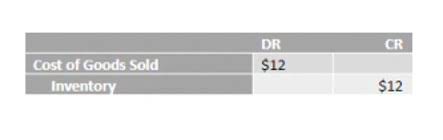
Cost of Goods Sold is an important aspect of financial reporting that helps businesses understand how much it costs to produce goods or services sold to customers. When a company sells inventory, the cost of that inventory (COGS) is transferred from the asset account (inventory) to the expense account (COGS). This reduces the company’s asset balance and increases its expenses. The latter encompasses all expenses incurred in running a business, including indirect costs like marketing, administrative expenses, and rent for office space. When inventory costs are not properly accounted for, it can lead to over or under-reporting of assets and liabilities on the balance sheet and inaccurate COGS figures. In summary, businesses should closely monitor inventory costs in COGS to ensure that they accurately reflect the cost of where does cost of goods sold go on a balance sheet goods sold and manage their inventory effectively.

Cost of goods sold (COGS) is calculated by adding up the various direct costs required to generate a company’s revenues. Importantly, COGS is based only on the costs that are directly utilized in producing that revenue, such as the company’s inventory or labor costs that can be attributed to specific sales. By contrast, fixed costs such as managerial salaries, rent, and utilities are not included in COGS.
- Then your (beginning inventory) + (purchases) – (ending inventory) would result in a negative.
- If COGS is not listed on a company’s income statement, no deduction can be applied for those costs.
- It’s essential to note that COGS only takes into account variable costs – those directly tied to production.
- When accounting standards are adopted, a company needs to have a solid valid reason to depart or change the way they account for information.
- Firstly, it allows businesses to determine their gross profit accurately, which is vital for assessing profitability.
- When you leave a comment on this article, please note that if approved, it will be publicly available and visible at the bottom of the article on this blog.
Cost of Goods Sold vs. Operating Expenses
Compile financial data from your parent company and all subsidiaries into a worksheet. Under GAAP, all entities within a consolidated group must use consistent accounting policies unless doing so is impractical—in which case, adjustments should be made during consolidation. Under the Voting model, a reporting entity is generally deemed to have a controlling financial interest if it directly or indirectly owns more than 50% of a corporation’s outstanding voting shares.
Stay tuned for up-to-date content designed to simplify procurement and keep you ahead of the curve. The COGS percentage (or COGS-to-Sales Ratio) measures the proportion of revenue spent on goods sold. To better understand how to calculate the Cost of Goods Sold (COGS), let’s go through some practical examples using different scenarios. When you join PRO Plus, you will receive lifetime access to all of our premium materials, as well as 14 different Certificates of Achievement.